01
Base rent
The rate per square metre, usually in euro and converted at the rate on the payment date. It is the only line the listing carries — and rarely the one that makes the biggest difference between offers.
A short form for owners — a few details about the property and how to reach you, and we'll come back with a proposed next step.
For buyers and tenants — tell us what you're looking for and we'll search the market on your behalf.
For those who want to become a real estate agent at our studio — to learn the craft, work with discerning clients and build a portfolio with real character.
For funds, family offices and private investors — a partnership with clearly defined value, built on knowledge of the Warsaw market and selective deal flow.
For firms that build outstanding properties and want to hand sales to experienced hands. You focus on the project — we'll make sure it reaches the right buyers.

Office space to let in Warsaw and the surrounding area.

An office is measured in the people in it, not in floor area.
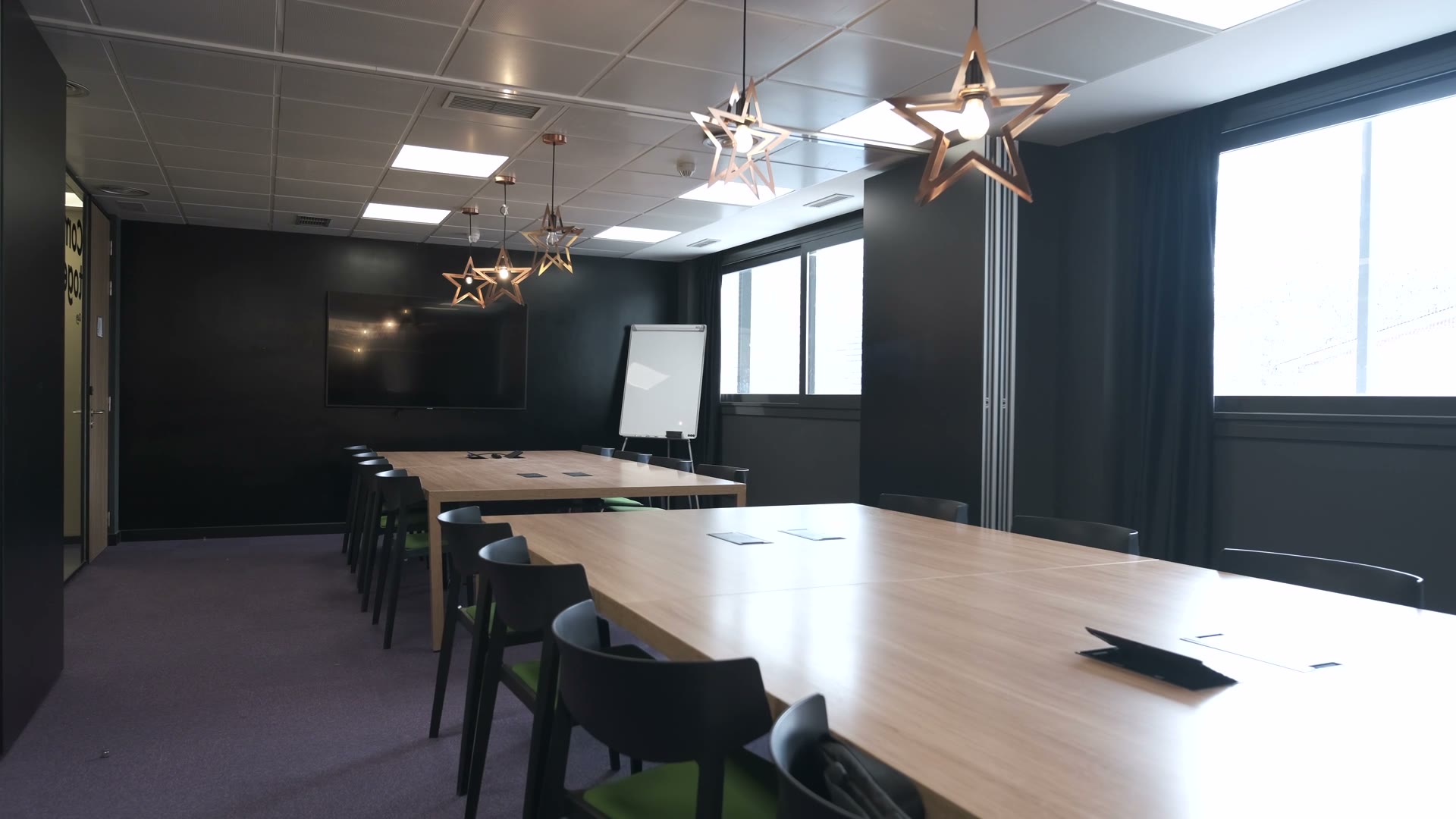
The plan, the light, the layout and what only shows up on site.
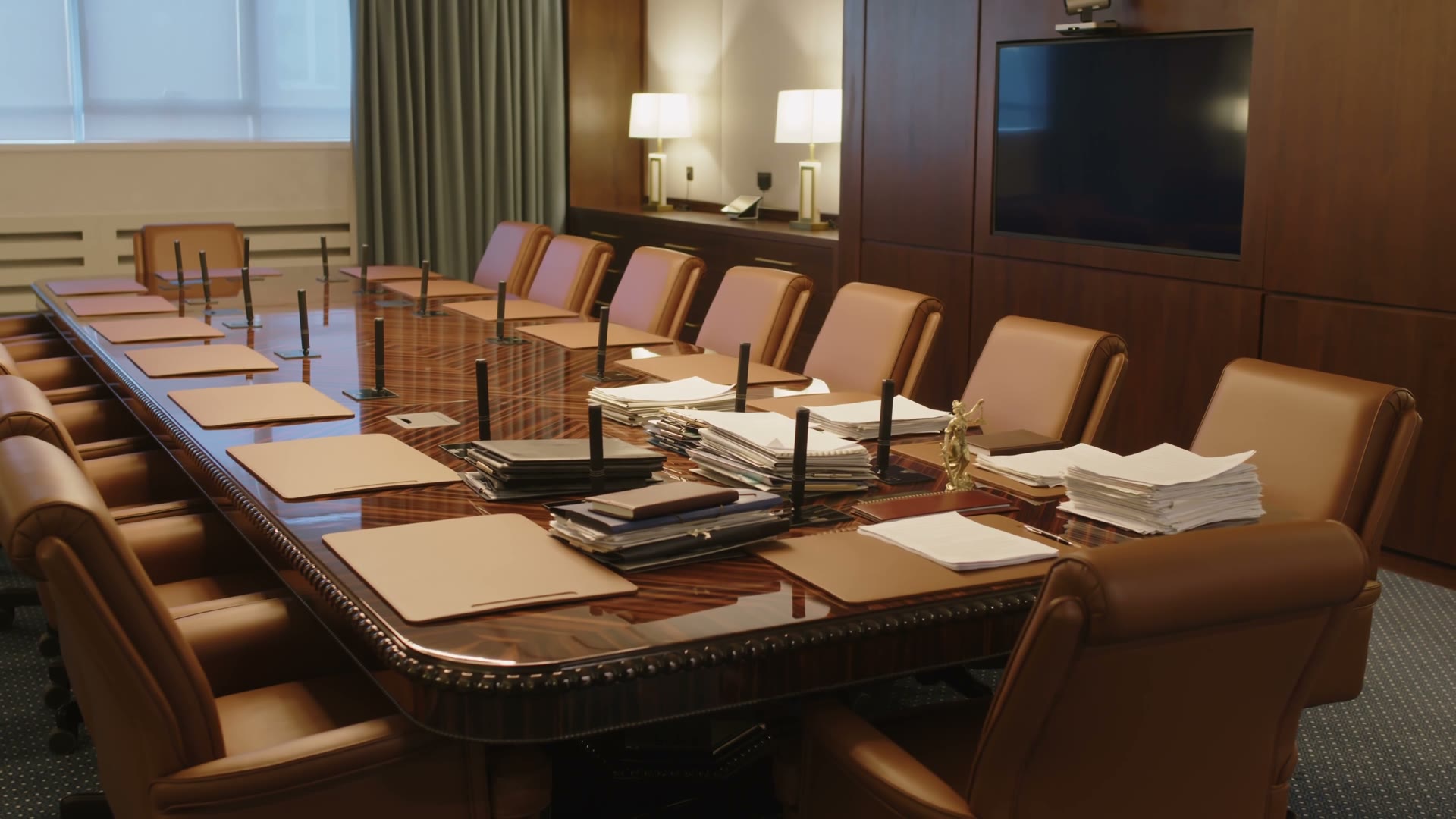
An office lease is signed for years. It's worth knowing what for.
Two offers two euro apart can be ten per cent apart on the invoice.
Villa Estate is a Warsaw agency run by lawyers. We look for office space for a particular team, work out the total cost — base rent, service charge, add-on factor, parking, fit-out and indexation — negotiate the terms, and read the lease sentence by sentence before you sign it.
An office isn't just square metres. It's a space for years, and for people heading the same way.
An office lease is usually signed for five years and is close to impossible to leave. Over that time the team will grow or shrink, some of it will move to working remotely, and you will still be paying for every square metre written into the contract. So we don't start from floor area. We start from how many people have to work there, and how that might change.
You can find an office yourself. The hard part starts when you work out what it actually costs.
On your own
With Villa Estate
In Warsaw offices the base rent is quoted in euro per square metre per month, the service charge in złoty, and you also pay for your share of the common parts: corridors, reception, lavatories. On top of that come parking, fit-out and indexation. Only once those lines are added up do you know which offer is cheaper. Very often it is not the one that looks cheaper.
Six lines that end up on the invoice. The listing usually shows one.
The rate per square metre, usually in euro and converted at the rate on the payment date. It is the only line the listing carries — and rarely the one that makes the biggest difference between offers.
Running the building: cleaning, security, shared utilities, management, property tax. Quoted in złoty per square metre, reconciled annually, and capable of rising faster than the rent itself.
You pay not only for your own office but for a share of the corridors, the reception and the lavatories. In Warsaw buildings the add-on usually runs to somewhere between a few and the mid-teens in per cent — and every other line goes up by the same amount.
Charged per space rather than per square metre, and in many buildings rationed by a ratio to the area you take. With a team that drives in, it can add over ten per cent to the bill.
A shell-and-core floor needs partitions, services and furniture. The landlord will carry part of that cost — but only if it is asked for while the rate is still being negotiated, not afterwards.
The rent rises each year with an index, and a rate quoted in euro adds currency risk on top. Over a five-year lease those two lines weigh more than the opening difference in the rate.
The three places companies most often overpay for an office — and the three we are genuinely strong at.
We reduce every offer to a single figure: what a month of one person's work costs in that office, across the whole term. Only that lets you compare a class-A building on the second ring with a serviced office in the centre.
Villa Estate is run by lawyers. An office tenancy has no statutory protection and is signed for years. We read the clauses on indexation, security, subletting, break rights, expansion options and reinstatement — and then we negotiate them.
We start from headcount, how you work and how people get there — not from floor area. An office half the team spends ninety minutes reaching is cheap only on paper.
Each has a different cost, a different commitment and a different point at which it stops making sense.
Your own floor, a three- to five-year term, the fit-out on you or co-funded. The lowest cost per person with a stable team — and the dearest when the team changes.
A finished, private space with the running of it included, terms from a few months, and one invoice instead of six lines. Dearer per square metre, but with no fit-out, no deposit and no multi-year commitment.
Charged by the desk, on a monthly agreement. For teams of up to a dozen or so, and for companies just arriving in Poland, often the most sensible first step.
Space given up by a company that has too much of it. It can be markedly cheaper and already fitted out, but it lasts only as long as the head lease and needs the owner's consent. We check both.
No asterisks and no small print — this is the scope we deliver on every search.
Every offer worked out the same way: the cost of a month of one person's work across the whole term.
Closed databases, contacts with managing agents and developers, and sublet space that was never advertised anywhere.
Indexation, security, break rights and the expansion option amended in your favour.
The landlord's contribution to the works and a rent-free period while they run — agreed alongside the rate, not after it.
No ringing round listings and no viewings of floors that were going to fail on cost or on the commute anyway.
The schedule of condition, coordination of the fit-out and the move, and then the annual service-charge reconciliations.
Tell us how many people have to work there.
The first conversation is free and commits you to nothing. We reply within one working day.
This is what a typical office search with us looks like. Brief to signature is usually six to ten weeks, plus the fit-out.
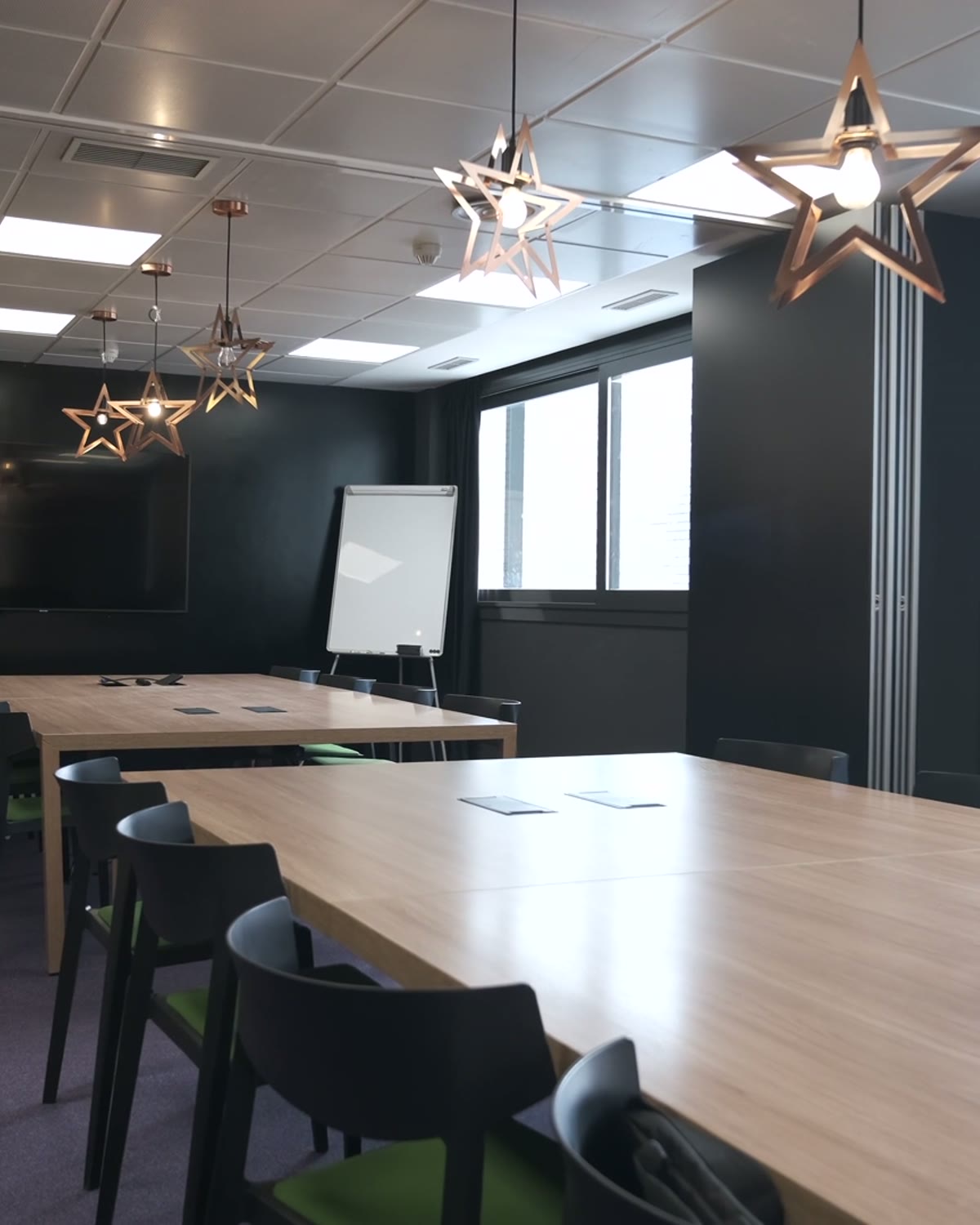
Start
We establish how many people have to work there now and in three years, how you work, how many meeting rooms you need, where the team lives and what the monthly budget is. The floor area comes out of that, not the other way round.
Weeks 1–2
We search the portals, the closed databases, our contacts with managing agents and developers, and the sublets. Anything that fails on total cost or on the commute is filtered out before we ever show it to you.
Viewings
We view with you, check how the space really lays out, and ask the questions nobody asks on a first impression: solar gain from the south, acoustics, sockets, how long the lifts take at nine in the morning.
Figures
Every offer is converted into the cost of a month of one person's work — with charges, add-on, parking, fit-out and indexation, across the whole term. You get the comparison on a single page.
Negotiation
We negotiate the rate, the rent-free period, the landlord's contribution to the fit-out, indexation, security, the break right and the expansion option. With offices those are the lines that weigh the most.
Lease
A lawyer reads the lease and every annex, explains them in ordinary language and proposes amendments. You sign only once you know what you're agreeing to.
Completion
We coordinate the fit-out works, record the schedule of condition and the meters as the space is handed over, and then help line it all up with the moving date.
We help with the annual service-charge reconciliation and with conversations with the landlord during the term. As the end approaches we come back to it a year out — with offices that is the minimum for having a real choice.
From companies we found offices for in Warsaw and the surrounding area.
We took the offer that was a euro fifty a metre dearer. Once the add-on, the charges and the parking were in, it came out eleven per cent cheaper. We'd never have worked that out ourselves.
We wanted three hundred metres because that's what we'd had before. After a conversation about how many people actually come in, it came out at two hundred and twenty — and two more meeting rooms. A year on it still fits.
We were looking for a new office for a team of over forty, and we wanted somewhere that worked for the staff and for clients alike. What we got was a handful of genuinely well-chosen options rather than several dozen random ones. The whole process ran smoothly, and in the negotiation we came out with far better terms than we'd assumed at the start.
The questions companies looking for offices ask most often. If yours isn't here, write to us and we'll answer it personally.
We agree the fee before we start and write it into the contract — nothing gets added along the way. The first conversation is free.
It is the share of the corridors, reception, lavatories and other common parts that the building charges on to its tenants. You take a hundred metres and pay for a hundred and something. In Warsaw buildings it usually runs to somewhere between a few and the mid-teens in per cent, and it lifts every other line, so comparing offers without it is meaningless.
It depends on how you work. With hybrid working and shared desks it comes out far lower than with one workstation per person, but the demand for meeting rooms and quiet spaces goes up. We work it out together, from how many people actually come in at the busiest point of the week rather than from the payroll.
Several things: a shorter term in exchange for a smaller landlord contribution to the fit-out, a break right after three years against a payment, an option to expand or contract the space — or a different route altogether: a serviced office or a sublease. We tell you what each of them costs.
In scale and exclusivity. In a serviced office you have your own private space with the running of it included and a single invoice; in coworking you pay by the desk and share the space with others. Serviced works out dearer per square metre than a traditional lease, but with no fit-out, no deposit and no multi-year commitment.
We don't carry out building works, but we cost them during the negotiation, negotiate the landlord's contribution and a rent-free period while they run, and recommend contractors we trust. We also watch the clause on whether the space has to be reinstated at the end of the term — that can run to several months' rent.
Yes. Viewings are done on video, documents move electronically, and the lease can be signed through an attorney. We act for companies in Polish, English, Ukrainian and Russian. For a first office in Poland it is often more sensible to start with serviced space — and we say plainly when that is the case.
With clear requirements, usually six to ten weeks from brief to signature, and then two to four months for the fit-out if you take a shell-and-core floor. A serviced office or a sublease brings that down to a few weeks. We say so plainly at the start.
Write and tell us what your company does, how many people have to work in the office and where the team lives. Within one working day we'll come back with an honest read on the situation, some first options and clear terms — no obligation, and no adding you to a mailing list.